
Connected Distribution USA 2026, Austin
Two days at Reuters Connected Distribution USA in Austin, where leaders tied their numbers to underwriting speed, agent servicing, and sourced AI answers.

Audience Type
Insurance
Carriers
Location
Austin, TX
About the Event
Reuters Events' Connected Distribution USA brings 200+ senior distribution leaders, carriers, MGAs, brokers and agents, together in Austin to align partners and build a faster, more resilient channel strategy.


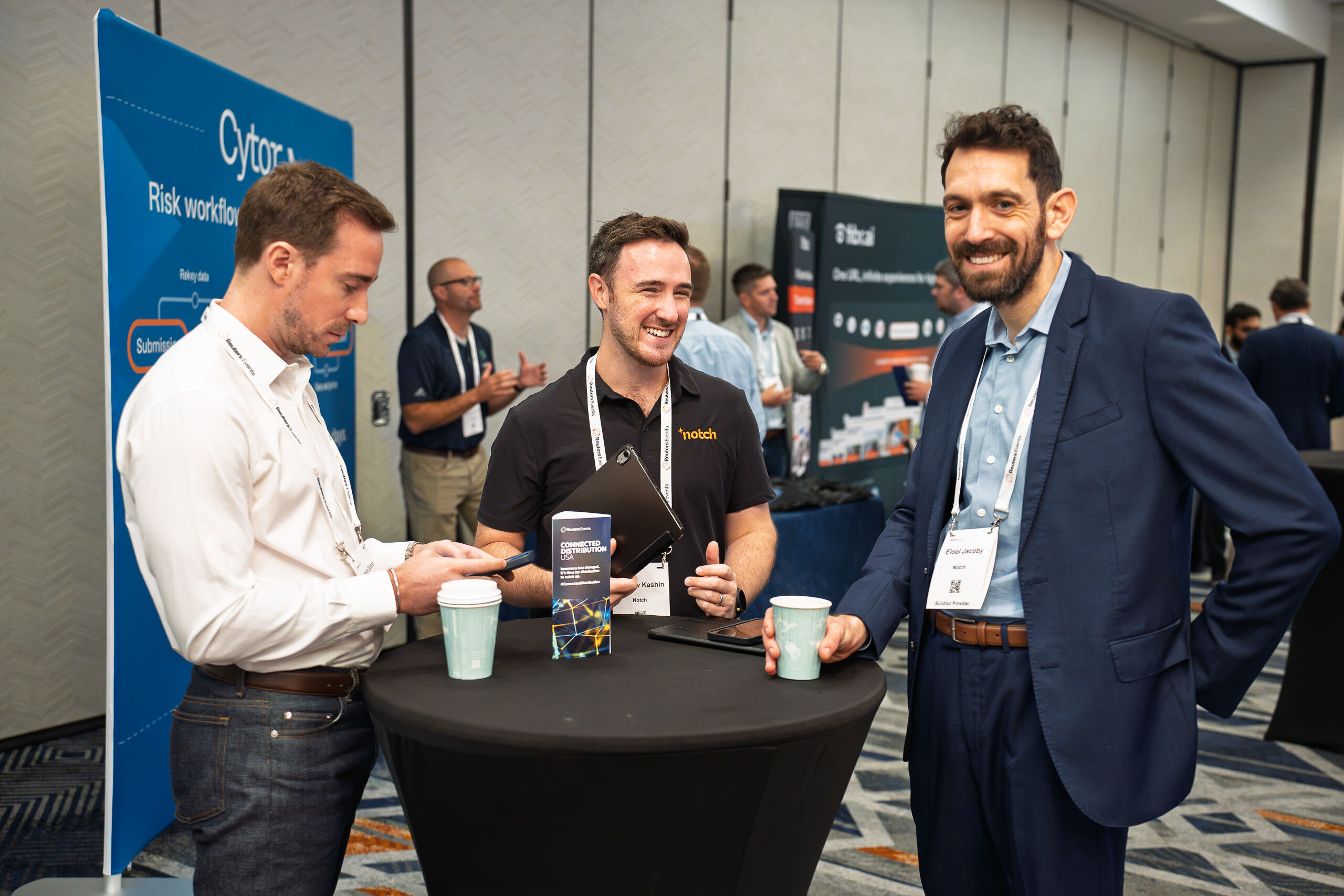
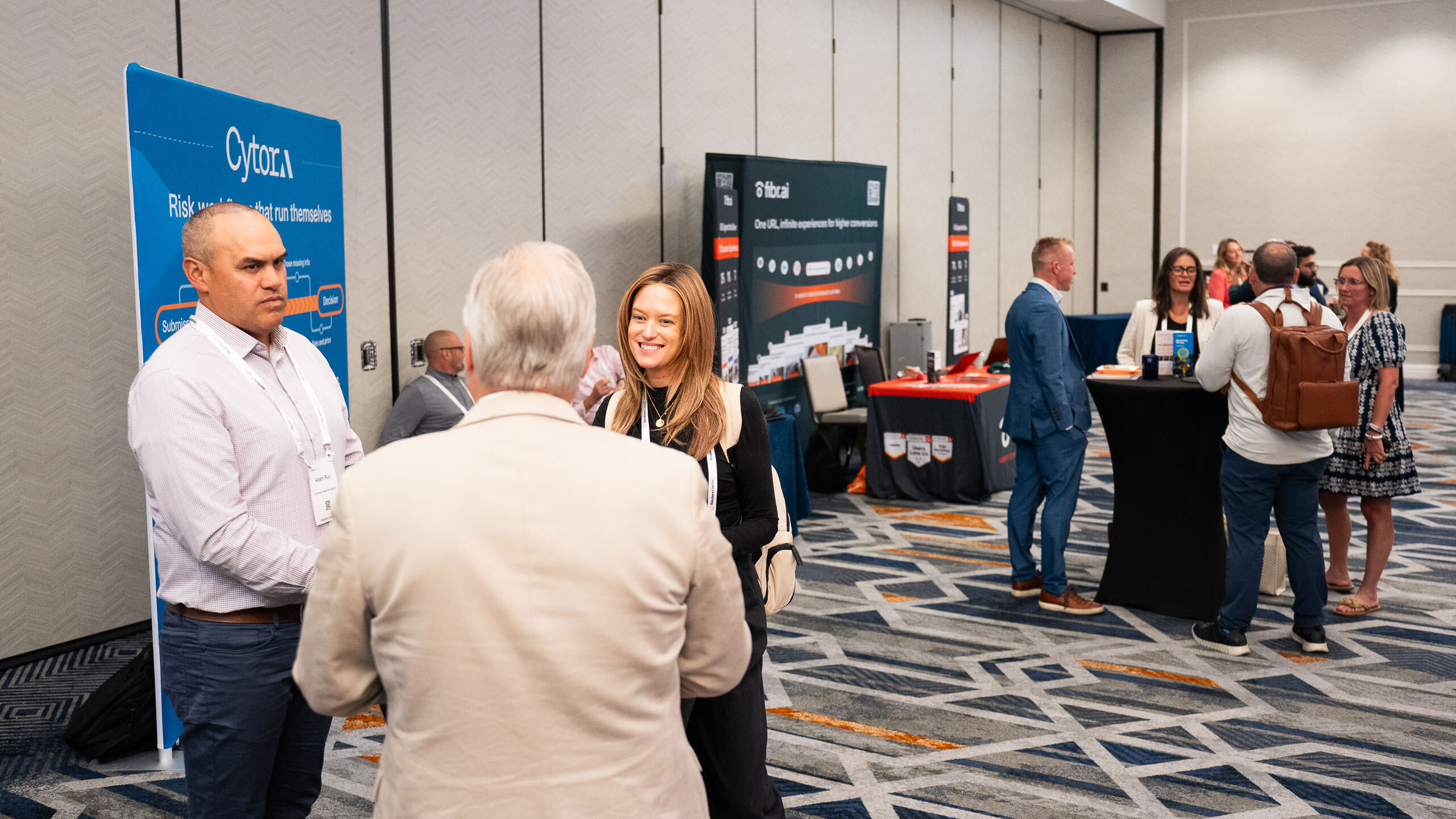
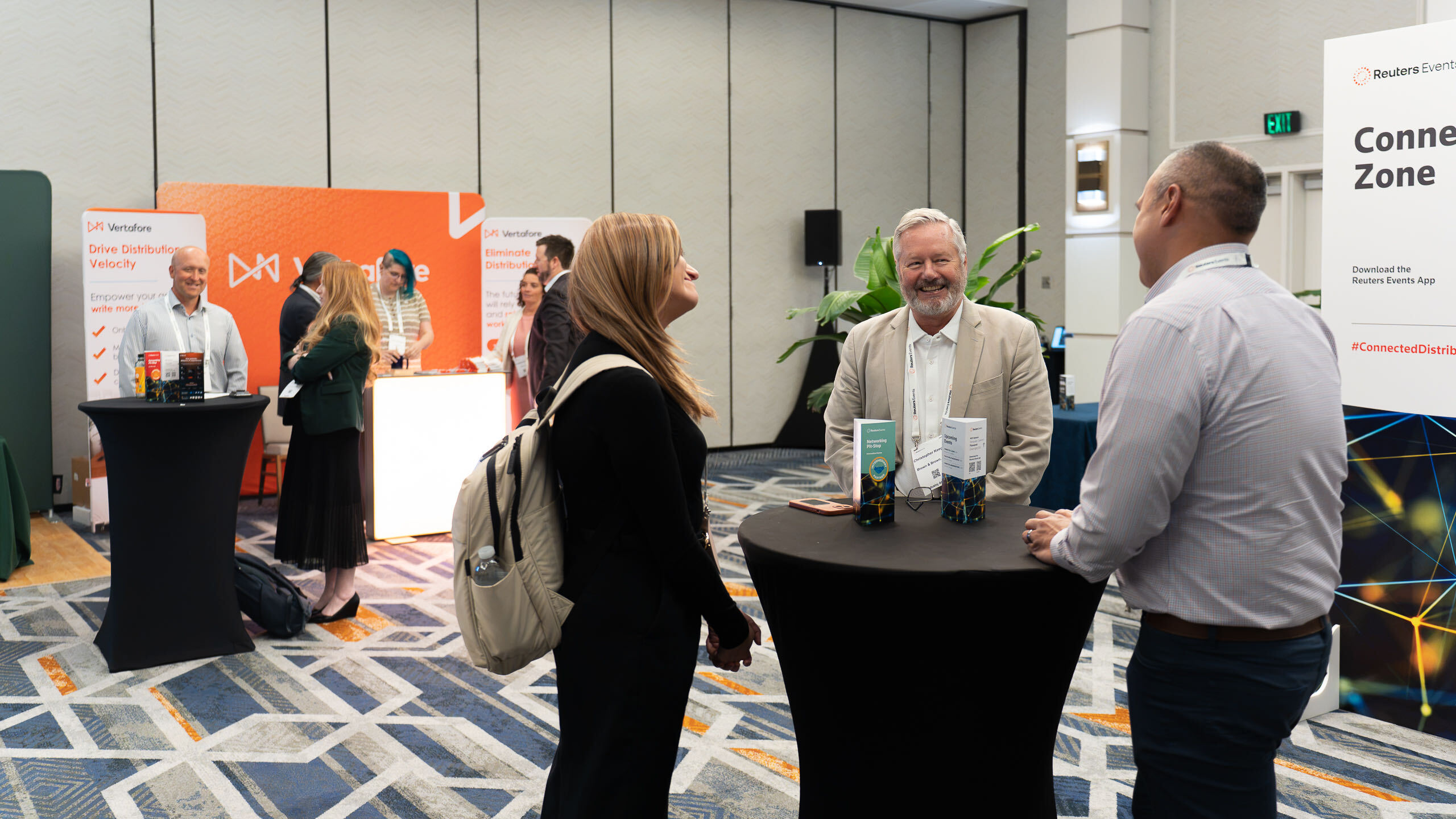
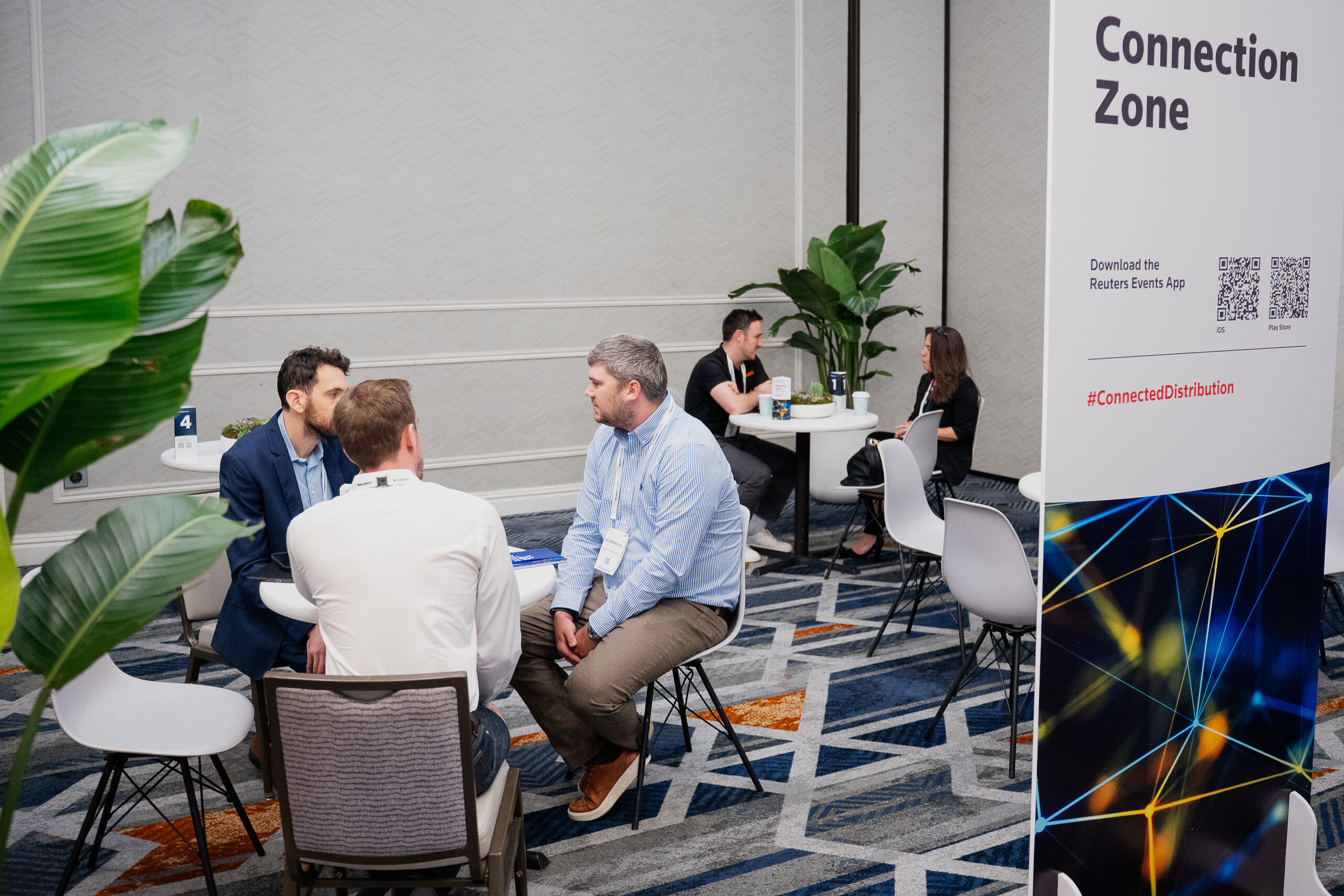

Notch spent two days at Reuters Connected Distribution in Austin, alongside national carriers, regional mutuals, MGAs, independent agencies and state agent associations. The room was distribution leadership: heads of distribution and broker relationships, SVPs of sales, VPs of agent experience, distribution transformation and CX leads, and agency and MGA presidents.Key takeaways
- The distribution room wanted to talk about underwriting. A distribution team's number gets decided by what underwriting can turn around. If a submission sits for a week the broker places it elsewhere, so speed to quote is now a distribution metric.
- Meeting prep is the tax nobody budgets for. Reps are pulling from the CRM, production reports and three other systems to work out what changed at an agency since the last visit. One carrier put the value plainly: cut the prep and reps get in front of twice as many agencies a week.
- Nobody can tell where a file is actually stuck. Waiting on the broker and waiting on your own underwriter are two different phone calls. Today people make the call to find out which one it is.
- Every answer has to be sourced. We heard this from several people independently. If AI flags that an agency is down 20%, the rep has to click through to why before they'll take it into a meeting.
- Agents don't use the portal, they call a person. Servicing came up constantly. Carriers have built agent portals that go unused because it's faster to phone the territory manager or the underwriter, which puts the work back on the people who are supposed to be selling.
- The instinct is still to build it internally, and ROI is the gate. Most teams are Microsoft shops with company-wide Copilot access and nothing concrete to show for it. The repeated ask was a use case with proof attached, not another platform.
- Every conversation landed in the same place on the human question. Take the admin off the rep so they can spend the hour with the agent, ramp a junior rep toward what a fifteen-year veteran would notice, and keep the relationship with the person who owns it.
events & webinars