Connected Underwriting USA 2026, Austin
Two days with underwriting leaders in Austin on explainability, portfolio visibility, and what production AI actually needs to look like.

Audience Type
Insurance
Underwriting
Location
Austin, TX
About the Event
Reuters Events' Connected Underwriting USA is a leadership summit in Austin bringing 200+ senior underwriting executives together to turn fragmented data into precise insights and embed AI into underwriting workflows.


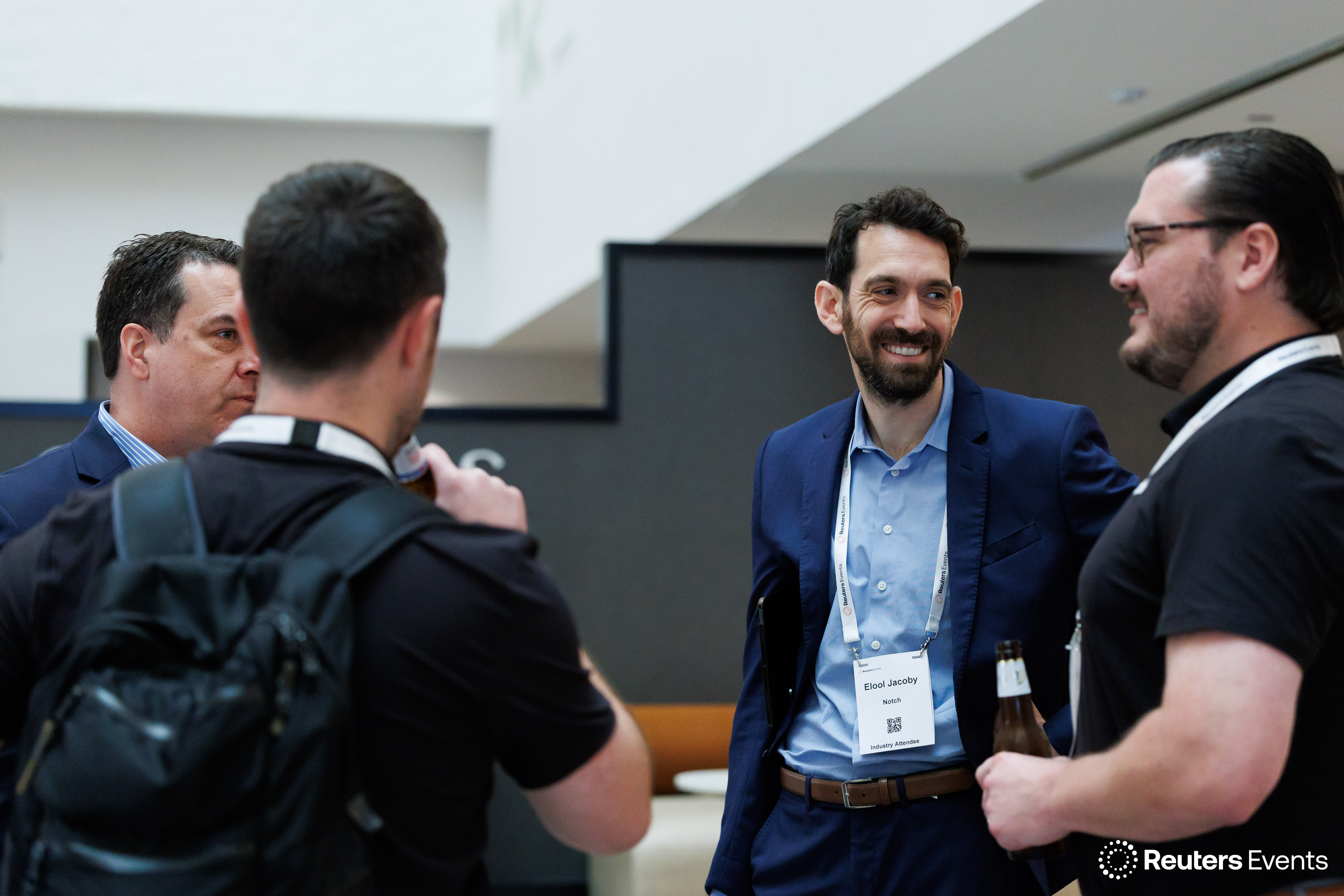
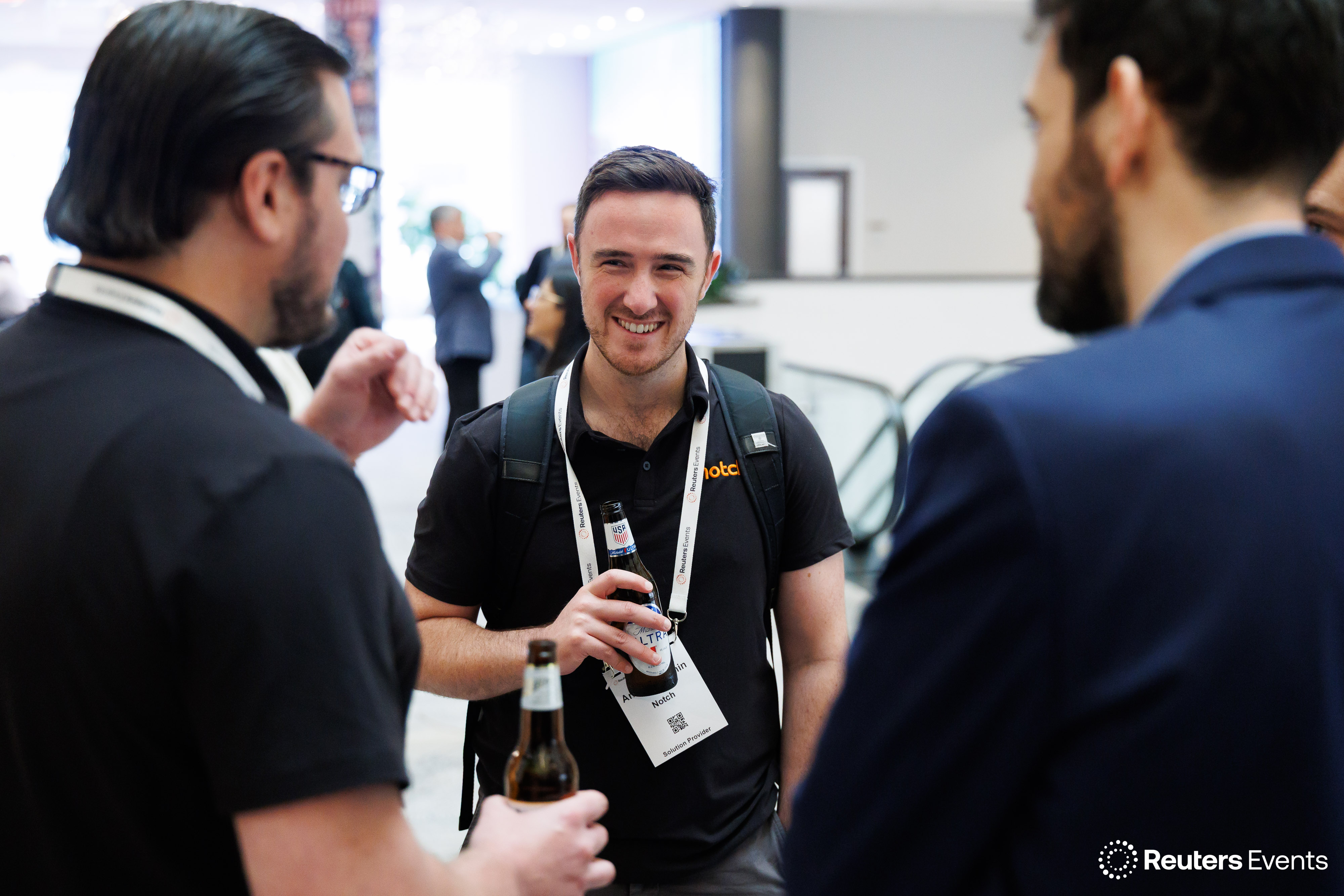
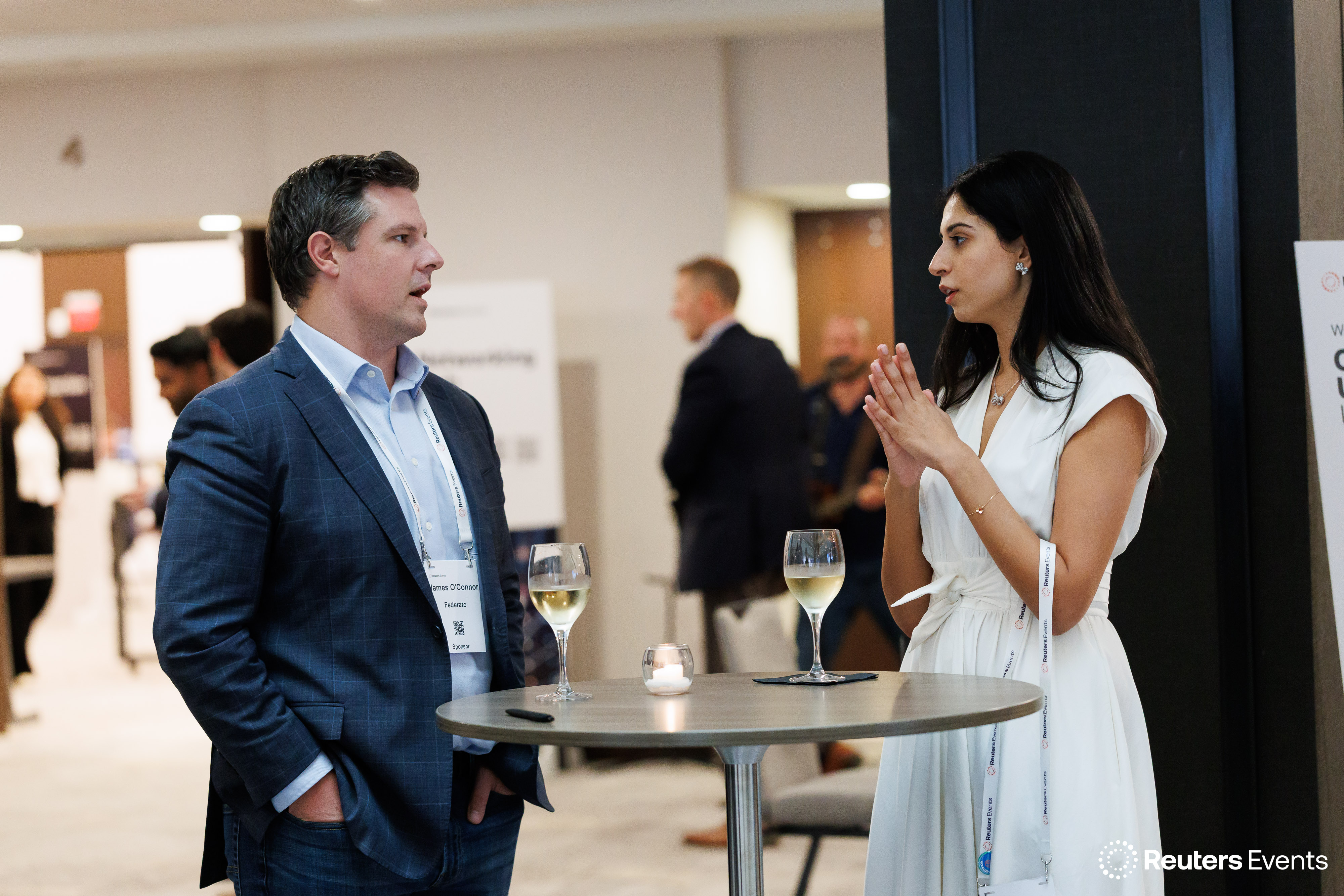
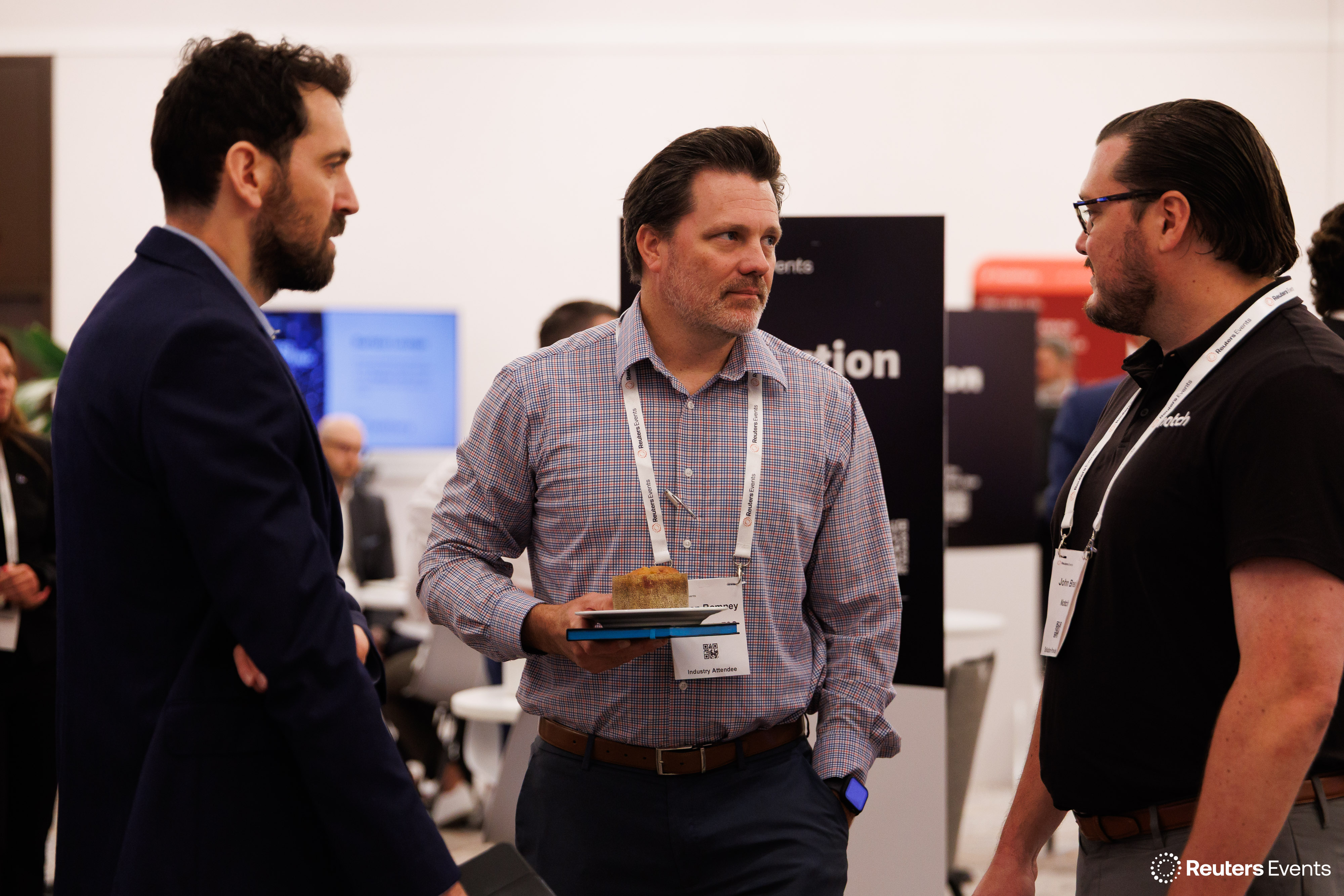
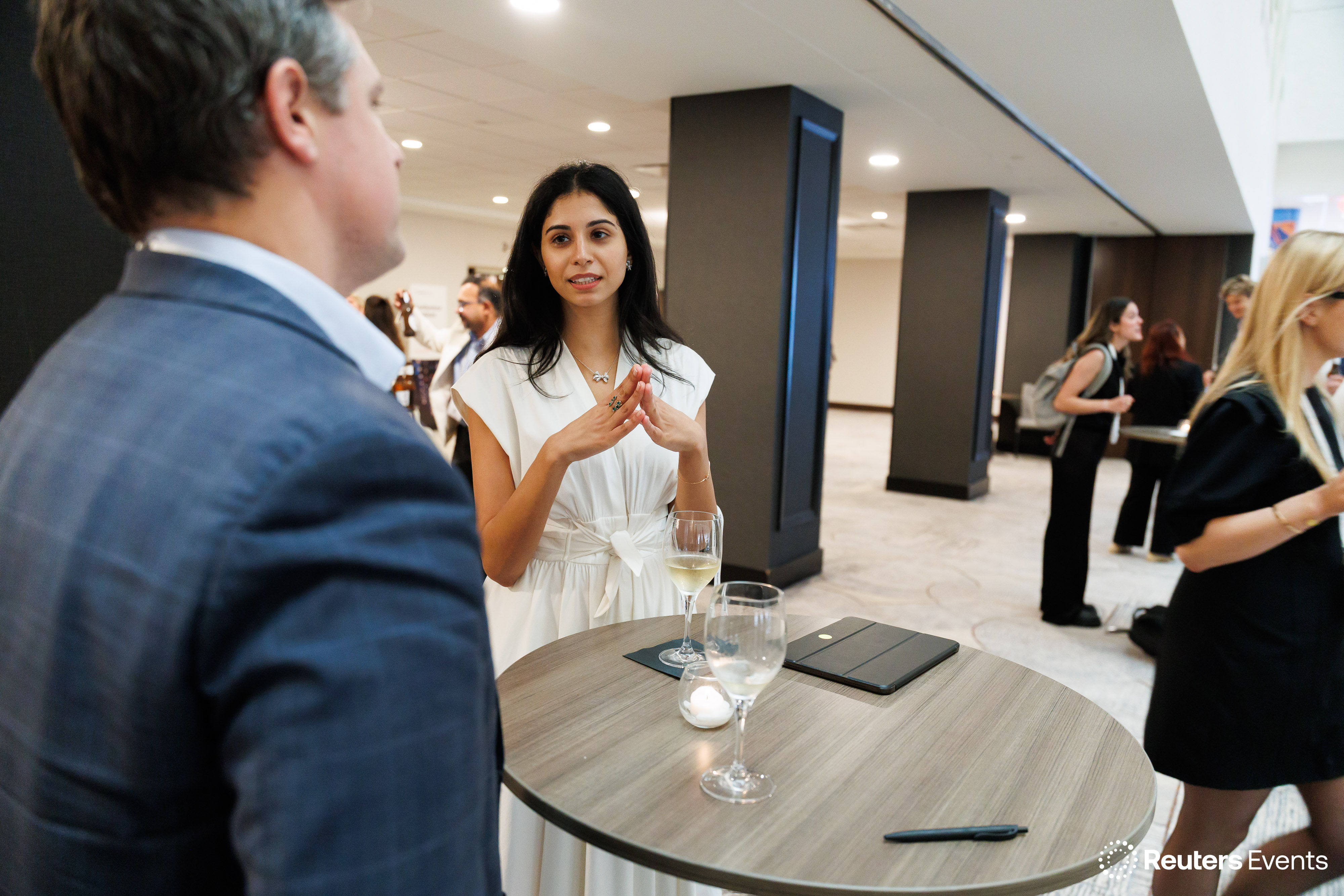
Notch spent two days at Reuters Connected Underwriting in Austin, alongside national carriers, regional mutuals, E&S and specialty writers, and TPAs. The room was underwriting leadership: chief underwriters, VPs of underwriting, heads of AI and innovation, and the product leads running internal builds.Key takeaways
- Complex submissions are where the interest is. Underwriters kept steering us off their high-volume transactional books and toward middle market and E&S, where submissions arrive non-standard, the premium is meaningful, and one person still reads everything before a yes or no.
- Senior underwriter knowledge lives in people, not systems. This came up in nearly every conversation. The way an experienced underwriter works a hard risk sits in their head with no structured playbook behind it, and teams know they lose it when those people move or retire.
- Nobody has a portfolio view. Underwriters described pulling from internal systems, external vendors and separate logins just to build one view of a single risk. BI dashboards came up repeatedly as the thing that was supposed to solve this and hasn't.
- Explainability is what earns the second meeting. Citations, sources and the reasoning behind a recommendation drew the strongest reactions of the event. The question we fielded most was how the system reached its answer and whether that reasoning survives an audit.
- Internal builds are stalling and priorities keep moving. Several carriers have built something in-house, usually the knowledge and rules layer around discounts, taxes and eligibility, and haven't seen business value from it. Others are sitting on long lists of surfaced use cases, one team had 120, with no sequencing behind them.
- The ask goes well past ingestion. The demo people asked for had a consistent shape: ingest the submission and flag what's missing, give the underwriter a workspace to actually work the case, then close the loop by going back to the broker for the missing document.
events & webinars